

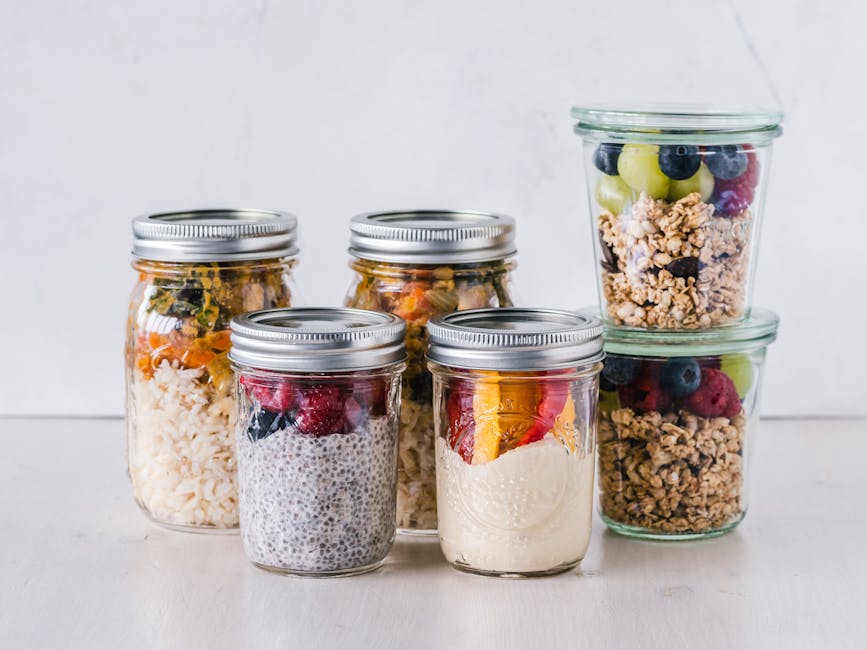
Ever wondered why some diets seem to work for others but not for you? It all boils down to balance. A balanced diet is not about strict limitations but rather about understanding and incorporating essential nutrition components into your meals. In this guide, we'll explore the five key elements of a balanced diet and show you how to make them a part of your daily routine. Whether you're a nutrition newbie or a seasoned health enthusiast, this article will equip you with the knowledge to eat healthier and feel better.
Carbohydrates often get a bad rap, but they are crucial for providing energy. Whole grains like quinoa and oats offer fiber, which aids digestion and keeps you full longer. Instead of eliminating carbs, focus on choosing whole sources to maintain steady energy levels throughout the day.
Proteins are essential for muscle repair, immune function, and enzyme production. Incorporating a variety of protein sources like beans, lentils, and lean meats ensures you get a broad spectrum of amino acids. For instance, mixing black beans with brown rice provides a complete protein, crucial for vegetarians and vegans.
Healthy fats, such as those found in avocados and olive oil, play a vital role in brain health and hormone production. Swap saturated fats with unsaturated fats to support heart health. Remember, it's about quality, not quantity, when it comes to fats.
Vitamins and minerals support countless bodily functions, from bone health to immunity. Foods like spinach and almonds are rich in essential micronutrients. Ensure you have a colorful plate to cover a wide range of vitamins and minerals.
Water is essential for every cell in your body. Staying hydrated supports digestion, nutrient absorption, and temperature regulation. Aim for at least 8 glasses a day, more if you're active or in a hot climate.
Start your day with a balanced breakfast including carbs, protein, and fat.
Snack on nuts and seeds for a quick micronutrient boost.
Drink a glass of water before each meal to stay hydrated.
Achieving a balanced diet doesn't have to be complicated. By focusing on these five essential components, you can build a nutritious meal plan that supports your health goals. Use tools like the Cratox app to track your intake and gain insights into your eating habits. Download Cratox today and take the first step towards a healthier you!
Nutrition Writer focusing on general nutrition education and balanced eating. Makes complex nutritional science accessible and actionable for everyday people.